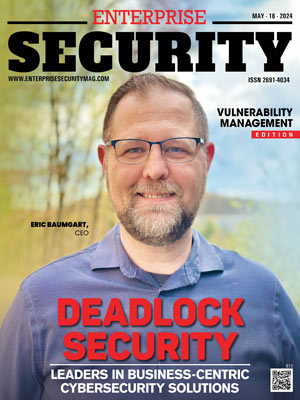

In the ever-expanding realm of cybersecurity, vulnerability management stands as a crucial pillar in safeguarding digital assets against potential threats. As technology evolves, so do the methods and tools employed by both cybersecurity professionals and malicious actors. Therefore, staying abreast of the latest developments in vulnerability management is paramount to maintaining robust defense mechanisms.
One of the most notable trends in the vulnerability management space is the integration of artificial intelligence (AI) and machine learning (ML) technologies. These advancements have revolutionized how organizations detect, prioritize, and remediate vulnerabilities within their systems. By leveraging AI and ML algorithms, security teams can analyze vast amounts of data to identify patterns and anomalies, thus enhancing the accuracy and efficiency of vulnerability detection.
Furthermore, the shift towards automation is reshaping traditional vulnerability management practices. Automation not only streamlines the process of identifying vulnerabilities but also accelerates the response time to mitigate potential risks. Automated vulnerability scanning tools can continuously monitor networks and endpoints, providing real-time insights into emerging threats and vulnerabilities. This proactive approach enables organizations to fortify their defenses and minimize the window of opportunity for attackers.
However, despite these advancements, challenges persist in the vulnerability management landscape. The sheer volume of vulnerabilities, coupled with limited resources and expertise, poses a significant hurdle for organizations striving to maintain robust security postures. Additionally, the increasing sophistication of cyber threats demands continuous adaptation and innovation in vulnerability management strategies.
The field of vulnerability management is witnessing rapid evolution driven by technological innovation, changing threat landscapes, and evolving business needs. To stay ahead of emerging threats, organizations must embrace a holistic approach that combines advanced technologies, risk-based strategies, and collaboration across teams. By prioritizing proactive measures and investing in cutting-edge solutions, organizations can effectively mitigate security risks and safeguard their digital assets in an ever-changing threat landscape.